


Walking vs Jogging? Good question. There is something wonderfully uncomplicated about leaving the house under your own steam. No booking is required, there is no membership card to remember, and the weather does not need to be perfect. You simply pull on a comfortable pair of shoes, choose a direction and begin. Yet somewhere between the first brisk walk around the neighbourhood and the moment you wonder whether you could jog the next stretch, a surprisingly interesting question appears: when it comes to walking vs jogging, which makes the better hobby?
At first glance, jogging seems like the obvious winner for anyone interested in fitness. It feels harder, raises the heart rate more quickly and usually covers more ground in less time. However, hobbies are not won by whichever activity produces the most impressive numbers. They succeed because they fit comfortably into ordinary life, remain enjoyable after the early enthusiasm has faded and give you a reason to return next week.
Walking offers freedom, exploration and a gentler pace that makes the world feel more noticeable. Jogging brings rhythm, momentum and the satisfying sense that your body is gradually becoming capable of more. Both can improve fitness and wellbeing, but they create very different experiences. Choosing between them has less to do with deciding which is universally best and far more to do with recognising the kind of experience you want from your free time.
The Quick Answer: Walking vs Jogging
Walking is usually the better hobby for gentle exercise, relaxation and exploring outdoors, while jogging suits people who enjoy a greater physical challenge and more obvious fitness progress. You do not need to choose permanently, however. Many people find that alternating between walking and jogging creates the most enjoyable and sustainable routine.
The best exercise hobby is not necessarily the one that burns the most energy. It is the one you genuinely look forward to doing again.
When an Ordinary Walk Becomes a Hobby
Most of us walk every day, although much of it barely registers. We cross car parks, wander around supermarkets and hurry between one obligation and the next. Recreational walking feels entirely different because the journey itself becomes the purpose. Instead of heading somewhere because you must, you go out because you are curious about what lies beyond the next bend, because the evening light looks inviting or because an hour outdoors feels preferable to another hour in front of a screen.
That small change in intention can transform a familiar activity. A path beside a river becomes somewhere to revisit when the seasons change. A woodland route encourages you to notice the first bluebells, the sound of woodpeckers and the earthy smell that follows rain. Even an urban walk can reveal architectural details, hidden gardens, independent cafés and streets that you have driven past for years without truly seeing.
As the habit develops, walking often begins to overlap with other interests. Some people carry a camera and gradually become interested in landscape photography. Others start identifying birds, recording local history or planning routes around ancient churches, canals and country pubs. Those additions never need to become serious pursuits; instead, they simply give each outing a little more character.
This ability to absorb other interests helps explain why walking works so well as a long-term hobby. It rarely demands that you perform, compete or reach a particular standard. You can stroll for twenty minutes on a tired evening, spend a Sunday exploring a coastal path or gradually move towards longer countryside routes. Should the latter begin to appeal, our guide to hiking for beginners explains how to take that next step without turning every walk into a military expedition.
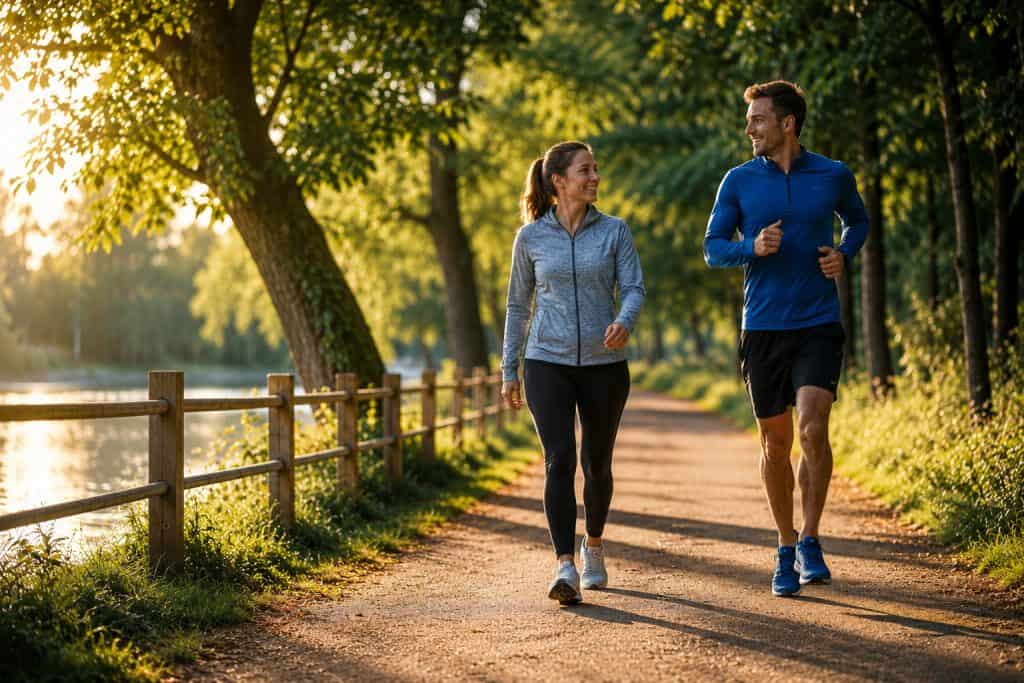
Walking Gives You Space
The gentler pace leaves room to appreciate the scenery, enjoy uninterrupted conversations, stop for photographs and follow interesting paths on a whim. Fitness develops naturally while every outing remains calm, enjoyable and refreshingly unhurried.
Jogging Gives You Momentum
The steady rhythm creates a stronger physical challenge together with a genuine sense of progress. Familiar routes gradually feel easier as your stamina, confidence and overall fitness improve with every passing week.
Why Jogging Feels Like a Different Kind of Escape
Jogging changes the atmosphere almost immediately. The scenery still matters, but movement takes centre stage. You begin to notice the rhythm of your steps, the steadiness of your breathing and the small decisions involved in keeping an effort comfortable. Rather than wandering towards whatever catches your attention, you settle into a pace and allow the route to unfold around you.
Beginners sometimes assume that jogging only counts when it looks effortless. In reality, most people start with a rather less glamorous mixture of slow jogging, brisk walking and privately wondering how the next lamppost managed to move so far away. That does not mean they are failing. It is simply the early stage of a hobby in which improvement arrives through patience rather than heroics.
The appeal becomes clearer once those first difficult outings begin to change. A stretch that previously required a walking break suddenly feels manageable. The hill at the end of the route no longer seems quite so vindictive. Eventually, you return home and realise that you have travelled farther, recovered more quickly or simply enjoyed the experience more than you did a few weeks earlier.
These modest signs of progress can become enormously satisfying because they feel personal. You are not required to enter races, chase strangers on a fitness app or dress as though you are preparing for the Olympic trials. Recreational jogging can remain exactly that: an accessible outdoor hobby built around fresh air, movement and the pleasure of discovering what your body can gradually learn to do.
The best fitness hobby is not the one that looks most impressive. It is the one you can imagine enjoying long after the first burst of motivation has disappeared.
Walking vs Jogging Is Not Simply Easy Versus Hard
It is tempting to describe walking as the easy option and jogging as the serious one, but that comparison misses much of what makes both activities worthwhile. A purposeful uphill walk can demand considerable effort, while a relaxed jog on level ground may feel surprisingly comfortable once someone has built a basic level of fitness. Speed alone does not determine how valuable an outing becomes.
Walking allows people to adjust the challenge almost endlessly. A gentle circuit through a local park can provide movement on a low-energy day, whereas a brisk route over hills can test stamina without involving any running at all. Distance, terrain and pace all make a difference, so walkers can progress without abandoning the qualities that attracted them to the hobby in the first place.
Jogging offers the same flexibility, although beginners often overlook it. There is no rule stating that every outing must be faster or longer than the previous one. In fact, constantly pushing for improvement can quickly turn an enjoyable hobby into an exhausting obligation. Some of the most satisfying jogs are deliberately slow, particularly when the aim is to clear the mind rather than achieve a personal record.
Therefore, the real walking vs jogging decision is not between making an effort and taking things easily. It is between two different styles of outdoor movement. One gives you time to observe and explore, while the other encourages rhythm and forward momentum. Both can be gentle, both can become challenging and both can occupy a useful place in the same week.
Walking breaks do not interrupt a jogging hobby. They are often the reason it becomes comfortable, enjoyable and sustainable.
Which Activity Is More Likely to Become a Lasting Habit?
The answer often depends on what usually stops you exercising. When lack of time creates the biggest obstacle, jogging may feel attractive because a relatively short outing can still feel substantial. When tiredness, aching joints or low motivation tend to interfere, walking may prove easier to begin because it does not require the same mental build-up.
Enjoyment matters just as much. People who love exploring tend to appreciate walking because routes can revolve around landscapes, wildlife, historic places or simply finding somewhere pleasant for lunch. Those who enjoy measurable progress may prefer jogging because changes in distance, pace and recovery become noticeable over time. Meanwhile, sociable people may find that walking makes conversation easier, whereas others value jogging precisely because it provides a quiet pocket of time alone.
Neither hobby needs to become rigid. A walker can add short jogging intervals whenever the mood takes them, while a regular jogger can slow down and enjoy a long weekend walk without regarding it as a lesser form of exercise. Once that unnecessary rivalry disappears, the two activities begin to complement one another remarkably well.
Walking vs Jogging for Fitness and Wellbeing
When people compare walking vs jogging, they often focus on calories, pace and distance. Those measurements are useful, but they do not tell the whole story. A hobby can improve fitness while also giving structure to the week, creating time outdoors and offering a reliable way to unwind. In that wider sense, both walking and jogging earn their place.
Walking suits people who want movement without feeling that every outing must become a workout. A brisk pace still raises the heart rate, especially on hills or uneven ground, yet the activity remains gentle enough for conversation and observation. Because recovery tends to be easier, it can also fit comfortably into everyday life. A morning walk, an evening circuit or a longer weekend route can all contribute without making the hobby feel demanding.
Jogging produces a more noticeable physical effort. Breathing deepens, the heart works harder and the body must adapt to repeated impact. For some people, that stronger sensation is exactly what makes the hobby satisfying. The change between starting tired and finishing energised can feel dramatic, particularly after a stressful day. However, the same intensity means that rest and gradual progress matter more.
The NHS recommends regular physical activity for adults and includes both brisk walking and running among useful ways to stay active. Its guidance also stresses that activity can be spread across the week, which supports a flexible approach rather than an all-or-nothing routine. You can read the current recommendations in the NHS physical activity guidelines.
🚶 Choose Walking If…
You want a lower-impact hobby that leaves plenty of time to enjoy the scenery, chat with friends and spend longer outdoors without needing lengthy recovery afterwards.
🏃 Choose Jogging If…
You enjoy a greater physical challenge, like seeing measurable progress and find motivation in the steady rhythm of moving continuously.
🔄 Combine Both If…
You prefer flexibility and want to match your activity to your energy levels, available time, the weather and the type of route you feel like exploring.
🌱 Start Gently If…
You are returning to exercise, carrying extra weight or simply want to build confidence gradually before increasing your pace or distance.
How to Start Walking as a Proper Hobby
Beginning with walking sounds almost too obvious, yet a little intention makes the difference between an occasional stroll and a hobby that becomes part of your routine. Start with a route that feels comfortably achievable, even if it only takes twenty or thirty minutes. The aim is not to prove anything on the first outing. Instead, you want to finish feeling that you could happily do it again.
Once the habit begins to settle, change one element at a time. You might extend the distance, choose a hillier route or increase the pace for a short section. Exploring somewhere unfamiliar can also renew enthusiasm without increasing the physical effort. Local parks, riverside paths, nature reserves and public footpaths offer plenty of variety, while urban routes can become more interesting when built around architecture, history or photography.
Keeping Track
Keeping a simple record may help, although it should support the hobby rather than control it. A note of the route, approximate distance and anything memorable can turn into a satisfying personal journal. Alternatively, photographs provide a visual record of changing seasons and places visited. Neither approach needs to become complicated; the point is to notice progress and create reasons to keep exploring.
For longer or more remote routes, preparation becomes more important. Carry water, check the weather and make sure somebody knows where you are going if the area is unfamiliar. Our article on how to go wild camping legally includes useful advice about outdoor planning and respecting the countryside, even if your own adventure ends comfortably at home before dark.
How to Begin Jogging Without Making It Miserable
The biggest mistake many beginners make is assuming that jogging means running continuously from the moment they leave the house. That approach often turns the first outing into a breathless struggle and makes the sofa look increasingly attractive. A far better method is to alternate short jogging intervals with brisk walking.
After a gentle warm-up, jog at a pace that feels deliberately slow. You should still feel in control rather than chasing speed. Continue for a minute or two, then return to walking until your breathing settles. Repeat the pattern several times and finish with another easy walk. Over the following weeks, the jogging sections can gradually lengthen while the walking breaks become shorter.
This approach allows muscles, joints and confidence to adapt together. It also removes the pressure to complete a certain distance without stopping. Walking breaks are not evidence of failure; they are a practical training tool used by beginners and experienced runners alike. In fact, many recreational joggers continue using them because the pattern makes longer routes more comfortable and enjoyable.
Try to leave at least one easier day between early jogging sessions. Walking, gardening or gentle stretching can keep you active without repeating the same impact. If pain feels sharp, worsens as you continue or changes the way you move, stop rather than attempting to push through it. Ordinary effort may feel challenging, but pain should never become a badge of commitment.
Walking breaks do not interrupt a jogging hobby. They are often the reason the hobby lasts long enough to become enjoyable.
What Equipment Do You Really Need?
One of the greatest attractions of both hobbies is the lack of specialist equipment. Comfortable clothing suited to the weather and supportive footwear are enough for most beginners. You do not need an expensive watch, a wardrobe of technical fabrics or a collection of accessories before you have completed your first route.
For walking, choose shoes that feel secure and do not rub. Everyday trainers may be perfectly adequate on pavements and dry park paths, while walking shoes or boots become more useful on muddy, rocky or uneven ground. A lightweight waterproof jacket is worth carrying when the forecast looks uncertain, particularly on longer outings where shelter may be limited.
One investment that many regular walkers never regret making is a good pair of walking shoes. Comfortable, supportive footwear can make every outing more enjoyable, especially if you are covering longer distances or exploring woodland trails and uneven paths. The adidas Terrex Anylander RAIN.RDY Hiking Shoes combine waterproof protection with excellent grip and cushioning, making them well suited to everything from local park walks to weekend countryside adventures. Their RAIN.RDY waterproof membrane and Traxion outsole help keep feet dry and secure when the British weather inevitably has other ideas.
Jogging places more repeated pressure through the feet and legs, so comfortable running shoes become more important. Brand and appearance matter far less than fit. The shoes should hold the heel securely, leave space around the toes and feel comfortable from the start. A specialist running shop can offer useful guidance, although beginners do not need the most expensive model on the wall.
As your jogging sessions start stretching beyond half an hour, carrying water, your phone, and a few essentials becomes increasingly useful. Rather than juggling bottles or overloading your pockets, a lightweight hydration vest keeps everything secure while allowing you to stay focused on the miles ahead. The Zelvot Running Hydration Vest includes a comfortable adjustable fit, a 500ml soft flask, reflective detailing for improved visibility and enough storage for your phone, keys and energy snacks, making it an excellent companion for longer walks, jogs and Couch to 5K training.
Reflective details or a small light improve visibility during darker mornings and evenings. Meanwhile, a simple water bottle may be useful on warm days or longer routes. Beyond that, equipment can be added only when a genuine need appears. Hobbies often become unnecessarily expensive when people buy for an imagined future rather than the activity they actually do.

Combining Walking and Jogging
For many people, the most sensible conclusion to the walking vs jogging debate is not to choose at all. Walking and jogging work particularly well together because each supports the other. Walking builds time on your feet, encourages recovery and makes longer outdoor outings possible. Jogging adds intensity and gives cardiovascular fitness a stronger challenge.
A flexible week might include two brisk walks, one gentle jog and a longer weekend route. Another person may prefer a walk-jog session every few days, gradually increasing the running intervals without ever abandoning walking completely. Weather, energy and available time can all influence the choice without disrupting the overall habit.
This combination also prevents the hobby from becoming repetitive. A slow woodland walk offers a different experience from an early morning jog through quiet streets, even when both cover a similar distance. Variety protects enjoyment, and enjoyment remains the best defence against the familiar cycle of enthusiastic beginnings followed by abandoned routines. So, sometimes, it can be both, rather than walking vs jogging.
Build the Habit
Complete two or three comfortable walks and finish every outing while you still feel positive. The goal is to establish a routine rather than cover long distances.
Add Brisk Sections
Increase your pace for short stretches before returning to a relaxed walk. This gently improves fitness without making the hobby feel exhausting.
Try Gentle Jogging
Introduce several one-minute jogging intervals, allowing generous walking breaks between each one. Focus on comfort and consistency instead of speed.
Choose Your Balance
Continue enjoying regular walks, extend your jogging intervals or combine both activities to create a routine that suits your fitness, schedule and enjoyment.
How to Keep the Hobby Interesting
Even enjoyable activities lose some of their appeal when every outing follows the same route at the same time. Fortunately, walking and jogging respond well to small changes. Reversing a familiar circuit can make it feel surprisingly different, while choosing a route around a lake, woodland or historic village gives the outing a purpose beyond exercise.
Seasonal goals can provide gentle motivation without creating pressure. You might explore five local nature reserves during spring, complete a favourite coastal route in summer or photograph the same woodland every month for a year. Joggers may enjoy gradually extending one route or completing a relaxed community event, although competition remains entirely optional.
Company can also change the character of the hobby. Walking with a friend creates time for uninterrupted conversation, while a local walking group can introduce routes you would never discover alone. Jogging clubs often welcome beginners and provide encouragement, but solo outings remain equally valid for anyone who values quiet and independence.
Above all, avoid turning every session into a test. Not every walk needs to become longer, and not every jog needs to become faster. Some outings will feel energetic, while others simply provide fresh air and a change of scene. Both count. A hobby should improve ordinary life rather than becoming another source of judgement.
Walking vs Jogging: Frequently Asked Questions
Is walking enough to improve fitness?
Yes. Regular brisk walking can improve cardiovascular fitness, stamina and general activity levels. Hills, longer distances and a quicker pace can increase the challenge as your fitness develops.
Is jogging better than walking for losing weight?
Jogging generally uses more energy per minute, but consistency matters more than a single session. A walking routine you enjoy and maintain may prove more useful than occasional jogging that feels unpleasant or unsustainable.
Can beginners alternate walking and jogging?
Yes. Walk-jog intervals offer one of the most practical ways to begin. They reduce fatigue, allow the body to adapt gradually and remove the pressure to run continuously.
How many times a week should I walk or jog?
Begin with two or three manageable outings and allow recovery after jogging. You can add more sessions gradually, provided the routine remains comfortable and fits your lifestyle.
Do I need special shoes for walking?
Comfortable trainers may be suitable for pavements and easy paths. Supportive walking shoes or boots become more useful on rough, muddy or uneven ground.
Which is better for older beginners?
Walking often provides the gentler starting point because it creates less impact and allows pace to change easily. Anyone with medical concerns, persistent pain or a long period of inactivity should seek suitable professional advice before beginning vigorous exercise.
Walking vs Jogging at a Glance
Walking offers a gentle, flexible hobby built around exploration, fresh air and steady movement. It suits beginners, social outings and days when a harder workout feels unappealing.
Jogging provides a stronger physical challenge, clearer fitness progression and the satisfying rhythm of continuous movement. It works best when pace and distance increase gradually.
Combining both creates the greatest flexibility. Walk when you want to explore or recover, jog when you want more intensity, and allow enjoyment rather than comparison to guide the routine.
So, Is Walking or Jogging the Better Hobby?
There is no universal winner in the question of walking vs jogging. Walking creates space to explore, talk, notice the seasons and spend longer outdoors without turning every outing into a physical test. Jogging offers rhythm, challenge and the quiet satisfaction of becoming fitter through repeated effort.
The better hobby is the one that fits your body, personality and ordinary week. For some people, that will always be walking. Others will discover that the first difficult jogging intervals eventually become the highlight of their day. Many will enjoy both, choosing according to the weather, their energy and whether they want calm exploration or a stronger sense of momentum.
Begin gently, ignore the temptation to compare yourself with anyone else and allow the activity to develop naturally. The real success is not reaching a particular pace or distance. It is reaching the point where going out no longer feels like something you ought to do, but something you genuinely look forward to.
Whether you choose walking, jogging or a combination of both, the important thing is finding an activity that keeps you active and gets you looking forward to your next outing. If you’re keen to spend even more time outdoors, our guide to the Most Popular Outdoor Hobbies explores plenty of other rewarding ways to enjoy the fresh air throughout the year.
Walking and Jogging Essentials
If you are thinking of taking up walking or jogging as a hobby, it can be useful to browse a few thoughtfully chosen essentials before you begin. You do not need a complicated collection of equipment, but comfortable footwear, practical clothing and a few simple accessories can make regular outings easier to enjoy.
We have gathered our walking and jogging favourites into one curated collection, chosen to suit beginners as well as anyone looking to refresh their everyday outdoor kit. You can explore the full selection in the Hobby Ideas Amazon Storefront.
Affiliate Disclosure
Hobby Ideas participates in the Amazon Associates Programme. If you purchase a product through one of our affiliate links, we may receive a small commission at no additional cost to you. We only recommend products and collections that we believe offer genuine value to hobbyists.