

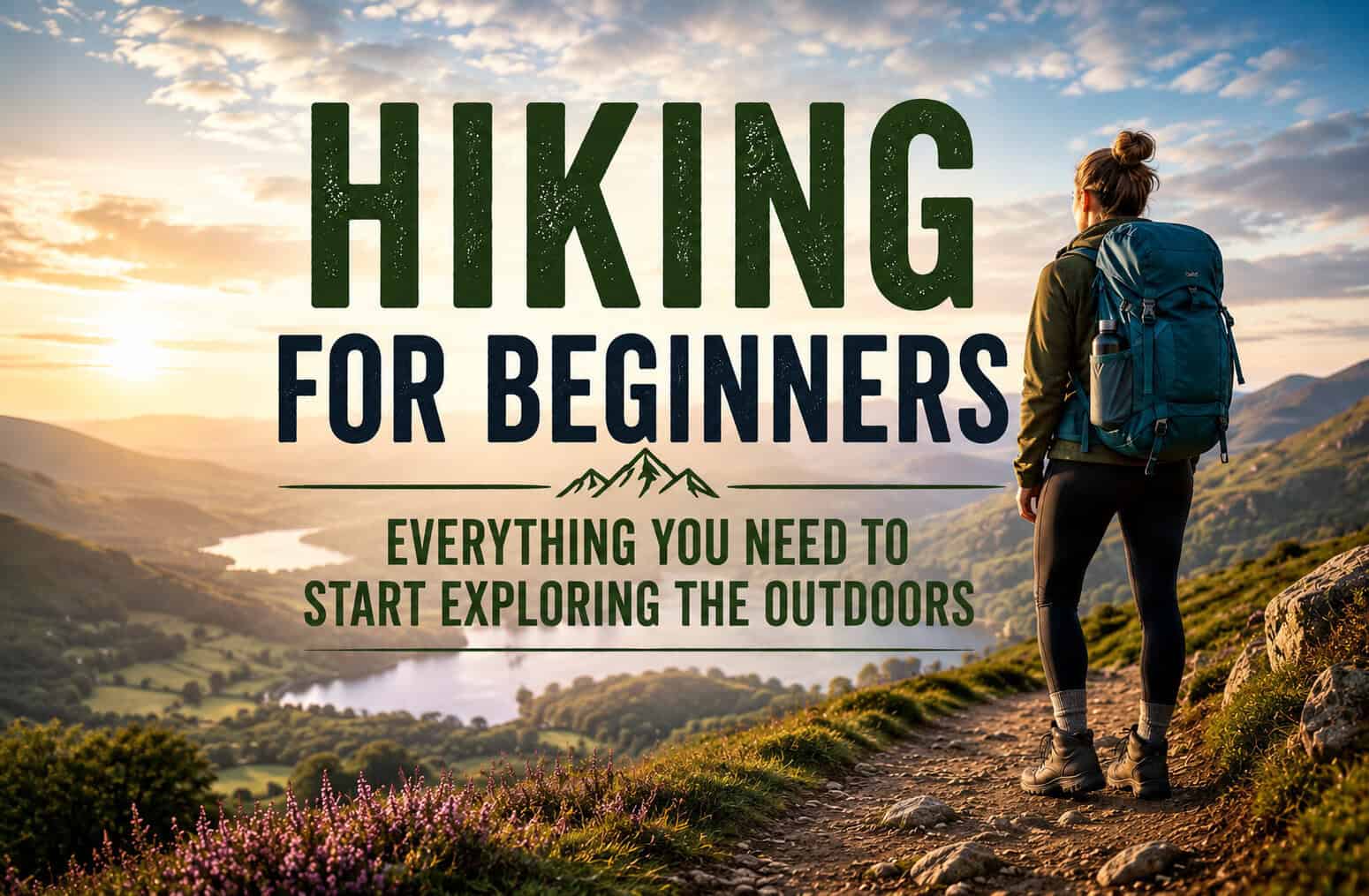
Hiking for beginners isn’t about conquering mountains or covering huge distances. It’s about discovering that some of Britain’s most beautiful places can only truly be appreciated on foot. Every experienced hiker remembers that first walk, the excitement of setting off, the uncertainty of whether they had packed the right gear and the quiet satisfaction of reaching a viewpoint they had earned one step at a time.
Perhaps you’ve been thinking about spending more time outdoors, improving your fitness or simply finding a hobby that helps you switch off from everyday life. If so, hiking could be exactly what you’re looking for. It requires very little equipment, suits almost every age and fitness level, and rewards every outing with fresh scenery, cleaner air and the simple pleasure of exploring somewhere new.
Better still, your first hike doesn’t need to involve mountains, remote wilderness or expensive equipment. Some of the UK’s most enjoyable walks begin with nothing more than a woodland trail, a riverside path or a gentle stroll through the countryside. Every adventure starts with a single decision to leave the pavement behind.
Quick Answer: What Is Hiking?
Hiking for beginners means exploring natural landscapes on foot at your own pace. Unlike everyday walking, hiking usually follows countryside paths, woodland trails, coastal routes or hills. You don’t need specialist knowledge or expensive equipment to begin. Comfortable footwear, suitable clothing and a sense of curiosity are enough to get started.
Many people actually begin their outdoor journey with regular walks before progressing to longer countryside routes and hill trails. If you’re still deciding which style of exercise best suits your fitness level and lifestyle, our guide to Walking vs Jogging compares the benefits of both activities and can help you choose the right starting point before tackling your first hike.
Why Hiking for Beginners Is Becoming So Popular
Some hobbies ask you to master complicated techniques before they become enjoyable. Hiking is refreshingly different. From your very first walk you begin to experience the benefits that keep millions of people returning to the countryside every weekend.
Firstly, hiking slows life down. Modern life constantly demands our attention through emails, social media and endless notifications. However, once you step onto a woodland path or country trail, those distractions begin to fade. Instead, your attention shifts towards birdsong, changing landscapes and the simple rhythm of walking.
Secondly, every season offers something completely different. Spring carpets ancient woods with bluebells, summer brings long evenings and colourful wildflowers, autumn transforms forests into spectacular displays of gold and copper, while crisp winter mornings often reveal frost-covered landscapes that feel almost untouched.
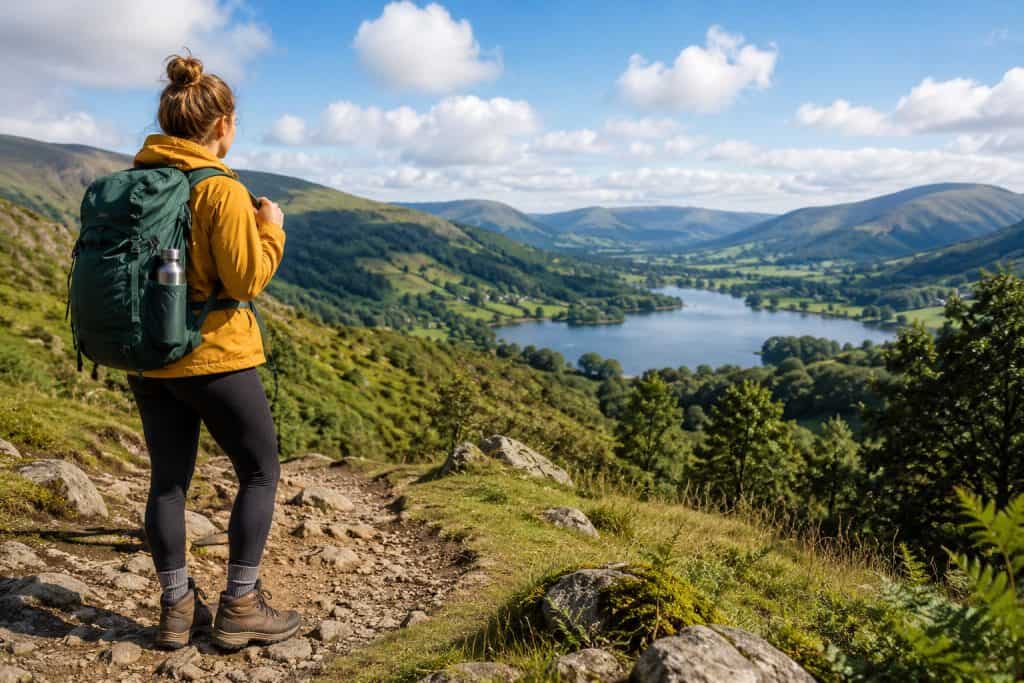
Most importantly, hiking never feels repetitive. You can walk the same route several times throughout the year and enjoy an entirely different experience every time. Light changes, wildlife appears unexpectedly and familiar views somehow reveal new details you never noticed before.
Hiking for Beginners Starts with the Right Mindset
One of the biggest misconceptions about hiking is that every walk has to be an achievement. Social media is full of dramatic mountain summits, breathtaking ridges and epic adventures that can make beginners feel they’re somehow starting too small.
In reality, experienced hikers often recommend exactly the opposite.
Your first few walks should feel enjoyable rather than exhausting. Consequently, there is nothing wrong with choosing an easy circular route through a local country park or following a riverside footpath for an afternoon. Building confidence matters far more than chasing impressive distances.
In fact, many lifelong hikers rarely remember how many kilometres they covered on their first walk. Instead, they remember watching a buzzard circling overhead, finding a hidden viewpoint or simply realising how peaceful the countryside can feel once the noise of everyday life disappears behind them.
Start Small
Choose a walk that leaves you smiling rather than exhausted. Five to eight kilometres is plenty for most beginners and gives you the confidence to look forward to your next adventure.
Stay Curious
Take time to notice wildlife, changing seasons and beautiful views. The journey matters every bit as much as the destination, so don’t rush from one viewpoint to the next.
Enjoy Yourself
The best first hike is the one that makes you want to plan another before you’ve even reached home. Enjoy the experience and let your confidence grow naturally.
Choosing Your First Hiking Route for Beginners
If you’ve never been hiking before, choosing your first route can feel surprisingly intimidating. Fortunately, it doesn’t need to be.
Country parks, forestry trails, National Trust estates and well-marked circular walks all provide excellent introductions to hiking for beginners. They usually offer clear paths, convenient parking, cafés and toilets, allowing you to focus entirely on enjoying the experience rather than worrying about navigation.
Equally importantly, don’t compare your first walk with someone else’s hundredth. Hiking is one of the few hobbies where progress happens naturally. Every walk teaches you something new, whether that’s judging distances, reading the weather or simply discovering that you enjoy spending time outdoors more than you expected.
What Should You Wear for Hiking?
If there is one lesson every experienced hiker learns, it’s that comfort beats fashion every single time.
Your feet don’t care whether your boots are the latest model. They care whether they’re still comfortable three hours into your walk. Consequently, a well-fitting pair of walking boots or supportive trail shoes is one of the few purchases genuinely worth making.
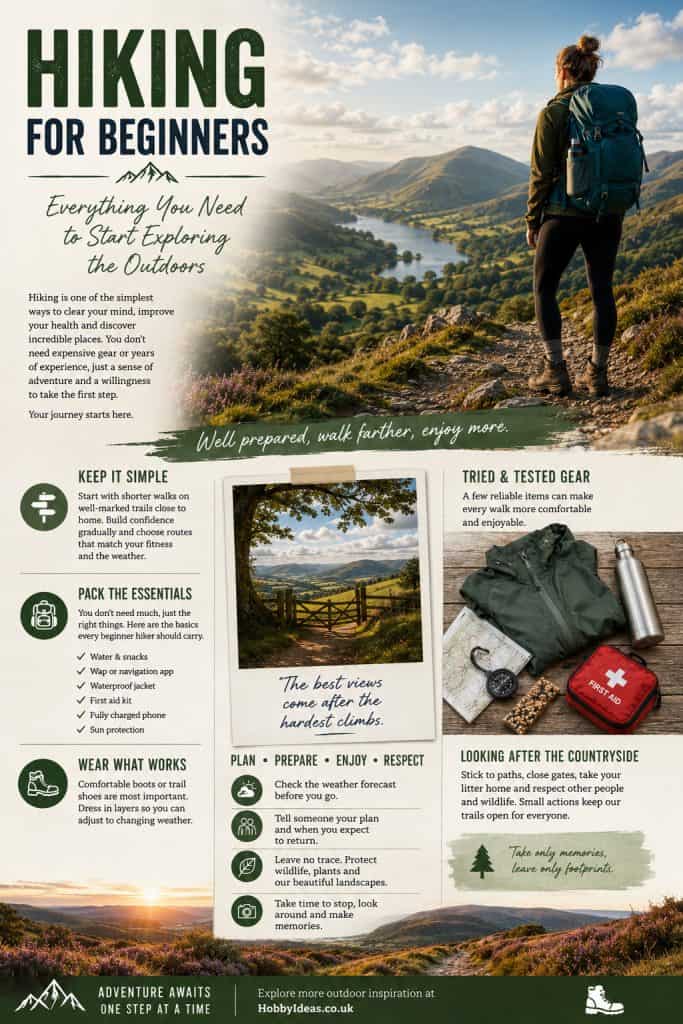
Beyond that, keep things simple. Comfortable outdoor clothing, a lightweight waterproof jacket and a small daypack will comfortably handle the vast majority of beginner walks in Britain. Furthermore, dressing in layers allows you to adapt quickly when the weather changes, something every British hiker eventually learns to expect.
Of course, comfortable clothing is only part of the story. Knowing what to pack, and equally what to leave at home, makes your first hike even more enjoyable…
What to Pack for Hiking for Beginners
Many people delay starting because they believe they need a backpack full of expensive equipment. Fortunately, nothing could be further from the truth.
Successful hiking for beginners is usually about carrying less rather than more. Every item should earn its place by making your walk safer, more comfortable or more enjoyable. Therefore, before every hike, think about what you genuinely need instead of preparing for every unlikely situation.
Firstly, pack plenty of water. Even gentle countryside walks become far less enjoyable if you become dehydrated. Secondly, take a few simple snacks such as fruit, cereal bars or sandwiches to keep your energy levels steady. Finally, always carry a lightweight waterproof jacket because British weather has an unfortunate habit of changing its mind without warning.
A fully charged mobile phone, a small first aid kit and either an Ordnance Survey map or reliable navigation app complete everything most beginners require for a typical day hike.
If you’re putting together your first daypack, the Lifesystems Trek First Aid Kit is one of those items you’ll hopefully never need, but you’ll always be glad you packed. Designed specifically for hiking and outdoor adventures, it contains the essentials for treating blisters, cuts and other minor injuries while remaining compact enough to slip easily into a backpack.
The Three Things Every Beginner Should Remember
These three simple habits will make almost every hike safer, more comfortable and far more enjoyable.
Stay Hydrated
Carry more water than you think you’ll need. You’ll rarely regret bringing it, but you may regret leaving it behind, especially on warm days or longer walks.
Expect the Weather to Change
Even bright mornings can become wet afternoons. A lightweight waterproof jacket quickly becomes one of the most valuable items you’ll carry.
Know Your Route
Spend a few minutes planning before you leave home. Knowing where you’re going makes your walk more relaxing and lets you enjoy the scenery with confidence.
Building Confidence During Hiking for Beginners
Confidence doesn’t suddenly appear after buying better boots or walking a certain distance. Instead, it grows naturally every time you complete another enjoyable walk.
Gradually, you’ll become better at judging distances, recognising changing weather and understanding what equipment works best for you. Consequently, walks that once felt challenging soon become comfortable afternoons outdoors.
Most importantly, don’t worry about walking quickly. Experienced hikers stop regularly to admire the view, photograph wildlife, enjoy a drink or simply appreciate the peace and quiet. Therefore, walking slowly isn’t a sign of inexperience, it’s often a sign that you’re noticing everything the countryside has to offer.
Where Hiking Can Take You Next
One of the most rewarding aspects of hiking for beginners is that it often becomes the starting point for a whole collection of outdoor hobbies.
As your confidence grows, you may decide to stay outside for longer. Perhaps you’ll enjoy watching the sunset from a quiet hillside, cooking a meal outdoors or eventually spending a night beneath the stars.
If that sounds appealing, our guide to How to Go Wild Camping Legally explains how to enjoy Britain’s countryside responsibly while respecting the law and the environment.
Likewise, if you’re wondering what to cook after a rewarding day’s walk, you’ll find plenty of inspiration in our Wild Camping Cooking guide, which proves outdoor meals can be every bit as memorable as the walk itself.
Finally, many hikers discover that once darkness falls, the real spectacle begins. If you’ve never experienced Britain’s dark skies away from towns and cities, our guide to Stargazing as a Hobby is the perfect place to continue your outdoor journey.
Of course, not everyone enjoys covering miles on foot. Some people prefer an outdoor hobby that combines fresh air with learning a completely new skill or spending time with animals. If that sounds more appealing, horse riding offers a rewarding alternative, and it may be more affordable to get started than many beginners expect.
Respecting Nature While Hiking
Every beautiful place you visit has remained special because countless people have cared for it before you arrived. Therefore, leaving no trace should become part of every walk.
Take all litter home, keep dogs under control where required, leave gates exactly as you found them and always respect livestock and wildlife. Furthermore, sticking to established footpaths protects fragile habitats while making navigation much easier.
The Ramblers offers excellent advice on responsible walking, discovering local routes and understanding public rights of way throughout Britain.
Frequently Asked Questions About Hiking for Beginners
How far should hiking for beginners be?
Five to eight kilometres is an excellent starting distance. Afterwards, increase your distance gradually as your confidence and fitness improve.
Do I need expensive hiking boots?
No. Comfortable, supportive footwear matters far more than buying the most expensive boots available.
Is hiking suitable for all ages?
Yes. Because you choose your own pace and route, hiking is one of the most accessible outdoor hobbies for people of all ages.
Can I hike on my own?
Yes. However, beginners often enjoy walking with a friend until they feel more confident. If walking alone, always tell someone where you’re going and when you expect to return.
Conclusion
Hiking for beginners isn’t about reaching famous summits or buying the latest equipment. Instead, it’s about discovering that some of life’s greatest pleasures begin with a comfortable pair of boots and the decision to explore somewhere new.
Although your first walk may not be perfect, it will almost certainly teach you something. Perhaps you’ll discover a beautiful local trail, enjoy the peaceful rhythm of walking or simply realise how refreshing it feels to spend a few hours surrounded by nature.
Eventually, you may find yourself planning weekends around your next adventure, exploring new landscapes and introducing friends and family to a hobby that asks very little yet gives so much in return. That’s why hiking for beginners is far more than learning how to walk further. It’s the first step towards a lifetime of outdoor adventures.
Hobby Gear
Ready to take your first steps? Browse our carefully chosen Hiking Essentials collection, where we’ve selected practical equipment that offers excellent value for beginners without overcomplicating your first adventures.
Disclosure: HobbyIdeas participates in the Amazon Associates Programme. This means we may earn a small commission if you purchase through some links, at no extra cost to you. We only recommend products we genuinely believe offer value to our readers.