


Is horse riding an expensive hobby? It is one of the first questions many beginners ask. Horse riding has a reputation for being one of Britain’s most expensive hobbies. Mention that you are thinking about learning to ride and somebody will probably picture private stables, polished horseboxes, immaculate country estates and a wardrobe filled with rather alarming amounts of tweed.
However, most beginners do not start with a horse of their own, an expensive saddle or ambitions to compete at Badminton. They start at a local riding school, borrow a riding hat, climb onto a patient horse or pony and spend their first lesson trying to remember how to steer and breathe at the same time.
So, is horse riding an expensive hobby? It certainly costs more than walking, reading or sketching. Nevertheless, recreational riding can remain surprisingly manageable when you take lessons rather than own a horse. The real financial leap comes much later, when regular lessons turn into a part loan, full loan or horse ownership.
Quick Answer: Is Horse Riding an Expensive Hobby?
Horse riding can be an expensive hobby, but the cost depends heavily on how you take part. A beginner attending one group lesson each week might spend roughly £120 to £200 per month, depending on the riding school and location. Private lessons, specialist tuition and riding in London or other expensive areas can cost considerably more.
Fortunately, beginners do not need to buy a horse. Riding schools provide the horse, tack, facilities and instruction, while many also lend riding hats for early lessons. Therefore, it is perfectly possible to enjoy horse riding without accepting the substantial costs associated with ownership.
Why Does Horse Riding Seem So Expensive?
The expensive reputation is not entirely undeserved. Horses need land, food, shelter, bedding, veterinary treatment, hoof care, suitable equipment and knowledgeable daily attention. Even when nobody rides them, the bills continue arriving with impressive reliability.
Riding schools must cover those costs while also paying instructors, maintaining arenas, carrying insurance and looking after a team of horses and ponies. A riding lesson is not simply payment for an instructor’s time. The price also supports the animal you ride and the facilities that make the experience possible.
However, newcomers sometimes make the mistake of comparing the cost of a riding lesson with an ordinary exercise class. A riding school provides far more than a room and a teacher. It provides a living, carefully trained animal that requires expert care every day of the year.
Once you understand what sits behind the lesson price, the cost begins to make more sense. It may still feel substantial, but it no longer appears quite so mysterious.
How Much Do Horse Riding Lessons Cost in the UK?
Lesson prices vary widely across the UK. Location, lesson length, group size, instructor experience and the facilities available all influence what you pay.
As a broad guide, a group riding lesson commonly costs somewhere around £30 to £50. A shorter private lesson may cost approximately £40 to £65, while an hour of private tuition can reach £60 to £90 or more. London riding schools and prestigious equestrian centres may charge considerably higher prices.
For example, current published prices at one established riding centre in Kent include around £42 for a one-hour group lesson and £44 for a half-hour private lesson. Those figures should not be treated as a national tariff, but they illustrate why checking several local centres matters.
A small rural riding school may charge less than a large centre with indoor arenas, extensive hacking routes and specialist instructors. Conversely, the cheapest option may not always offer the right horse, teaching style or timetable for you.
Before choosing purely on price, ask what the fee includes. Some lessons involve a full hour in the saddle, while others include mounting, adjusting stirrups and organising the group within the advertised time. Neither approach is necessarily wrong, but it helps to know what you are booking.
Group Lessons or Private Lessons: Which Offers Better Value?
Private lessons give you the instructor’s undivided attention. As a result, beginners can often correct problems quickly and build confidence without worrying about what the rest of the group is doing.
They can also feel reassuring when you are completely new. There is no need to keep pace with more experienced riders, and the instructor can select exercises that match your confidence and ability.
However, private tuition costs more. For many hobby riders, regular group lessons offer the best balance between progress, enjoyment and affordability.
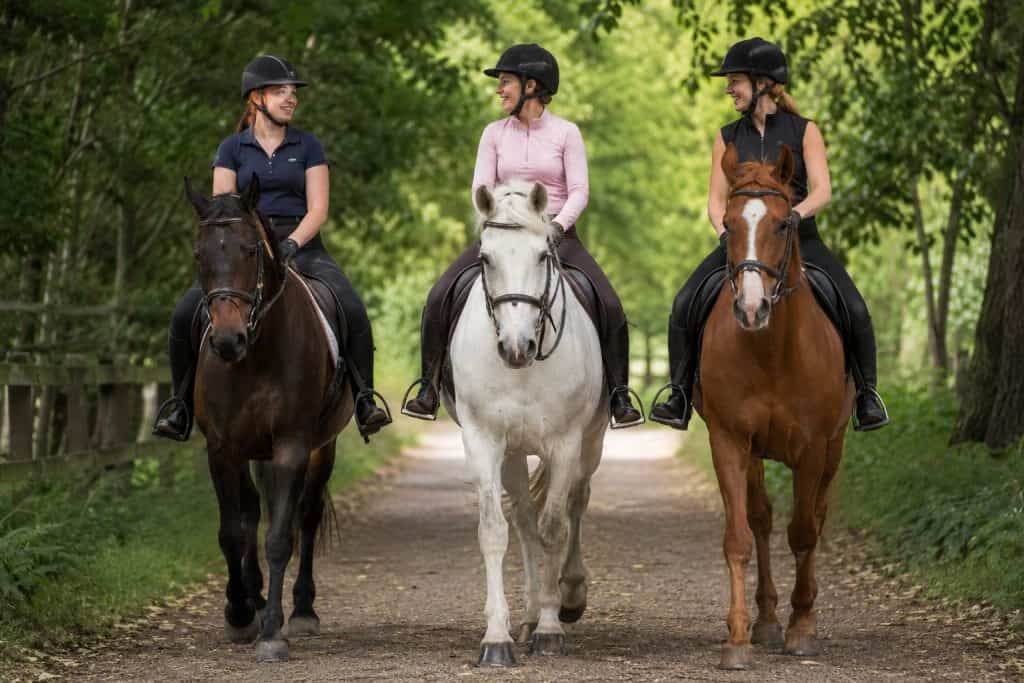
A well-organised beginner group also brings a pleasant social element to riding. You gradually get to know the other riders, recognise the horses and become part of the weekly rhythm of the yard. There will usually be somebody who forgets which diagonal they should be riding on, somebody whose pony has stopped to stare suspiciously at a cone and somebody laughing because their carefully planned transition has not gone remotely to plan.
That shared experience is part of what makes horse riding so enjoyable.
What Would Weekly Horse Riding Cost?
If one group lesson costs £35, riding once a week would cost approximately £140 during a four-week month. At £45 per lesson, the monthly total becomes approximately £180.
That makes riding more expensive than many gym memberships. On the other hand, it may compare reasonably with regular personal training, specialist sports coaching or other instructed activities.
You can reduce the monthly cost by riding fortnightly rather than weekly. Progress may come more slowly, but you will still gain experience and have something special to look forward to.
Some centres offer reduced rates when riders book a course or purchase several lessons together. However, check the cancellation conditions before paying in advance. Riding schools often need firm policies because an instructor and horse have both been reserved for your session.
“The affordable version of horse riding begins with lessons, not ownership. You do not need your own horse to experience the very best parts of the hobby.”— HobbyIdeas.co.uk
Do Beginners Need to Buy Expensive Riding Equipment?
One of the greatest misconceptions is that beginners need to arrive dressed like experienced equestrians. In reality, your first few lessons require very little specialist equipment.
Many riding schools lend approved riding hats to new clients. You will usually need comfortable trousers that allow you to move freely and footwear with a small heel. The heel helps prevent your foot from sliding through the stirrup, so ordinary trainers are generally unsuitable.
Avoid trousers with thick seams along the inside of the leg because they can rub while you ride. Jeans may seem practical, but a prominent seam can become surprisingly uncomfortable once it sits between your leg and the saddle.
The British Horse Society’s guidance on what to wear explains that strong trousers without an inside-leg seam can suit beginners. It also recommends practical clothing that will not flap loosely around the horse.
After several lessons, you may decide to buy your own riding boots, gloves and jodhpurs or riding tights. None of those items needs to carry a fashionable equestrian label. Comfortable, safe and properly fitted equipment matters far more than looking as though you are about to enter the show ring.
Should You Buy Your Own Riding Hat?
A riding hat will probably become your first important purchase once you know you intend to continue. Borrowed hats are useful while you try the hobby, but owning one gives you a consistent and familiar fit.
This is not an item to buy casually online because the size printed on the label tells only part of the story. Different manufacturers use different shapes, and two hats with the same measurement may fit very differently.
The British Horse Society recommends buying a new hat from a reputable tack shop and having it fitted by a trained fitter. It also advises against buying second-hand because damage may exist inside the hat even when the outside appears perfect.
A good riding hat does not need to be the most expensive model in the shop. It does need to meet an accepted current safety standard and fit your head correctly.
This is one area where saving money by buying used equipment simply is not worth the risk.
When you decide to buy your own riding helmet, it is worth choosing one from a well-respected manufacturer. A correctly fitted helmet is the single most important piece of riding equipment you’ll own, so it isn’t an area where cutting corners makes sense. A well-regarded option is Charles Owen Gloss Kylo Wide Peak Riding Helmet. Its precision dial-fit system, lightweight construction and wide peak make it a comfortable option for many beginners, while it meets multiple international safety standards for added peace of mind.
Good riding gloves are another small investment that can make a surprising difference from your very first lesson. They improve your grip on the reins, help prevent blisters and provide extra comfort during longer rides. The AFE Genuine Leather Horse Riding Gloves are made from soft goat leather with stretch panels across the knuckles for flexibility, while the adjustable Velcro fastening helps achieve a secure fit. They offer an affordable way to make your first riding lessons more comfortable without adding much to your overall costs.
The Difference Between Taking Lessons and Owning a Horse
When people ask, “Is horse riding an expensive hobby?”, they are often thinking about horse ownership rather than ordinary riding lessons. The two experiences sit in completely different financial categories.
A riding lesson offers a defined cost. You book your session, ride the horse provided and leave the ongoing care to the riding school.
Ownership has no similarly tidy boundary.
The purchase price of the horse may be only the beginning. Owners must then consider livery, feed, bedding, insurance, vaccinations, dentistry, farrier visits, equipment, transport and unexpected veterinary bills.
Even a healthy horse kept under straightforward arrangements can cost several hundred pounds each month. Full livery, where the yard provides extensive daily care, can take the monthly total much higher. Competition, specialist training and transport introduce another level of expense entirely.
Crucially, owners also carry responsibility for the horse’s welfare regardless of their own circumstances. A temporary loss of interest, an unusually busy month or a cancelled holiday does not stop the horse needing care.
Ownership can be wonderful, but it should never be treated as the automatic next step after learning to ride.
Could a Horse Share or Part Loan Cost Less?
Between riding-school lessons and ownership sits a broad middle ground. A part loan or horse share may allow an experienced rider to care for and ride a particular horse on agreed days each week.
The rider usually contributes towards the horse’s costs, although every arrangement differs. Some shares involve a fixed monthly payment, while others include stable duties, feed contributions or payment for specific services.
For the right person, sharing can offer more freedom than riding-school lessons without the full responsibility of ownership. You may form a closer bond with one horse, spend more time at the yard and learn about everyday horse care.
However, sharing is not simply a cheap way to obtain extra riding. The horse’s needs come first, and the owner must be able to trust your judgement, reliability and ability.
Most complete beginners should build confidence through lessons before considering a share. Once you can ride independently and handle horses safely, it may become a rewarding next stage.
Is Horse Riding an Expensive Hobby? If so, how can it be More Affordable?
The simplest solution is to decide what you genuinely want from the hobby.
You may discover that one enjoyable lesson every fortnight gives you exactly what you need. There is no rule saying a serious hobby must take place several times each week.
Group lessons usually cost less than private tuition, while off-peak weekday sessions may occasionally offer better value than busy weekends. Comparing nearby riding schools can also reveal significant differences, although safety, horse welfare and teaching quality should remain more important than finding the lowest price.
Additionally, resist the temptation to buy everything immediately. Equestrian shops contain enough attractive equipment to test even the most disciplined bank account. Yet a beginner does not need coordinated saddle pads, competition clothing, a grooming box or a jacket designed to survive a February morning on the Yorkshire Moors.
Buy equipment gradually, starting with the items that improve safety and comfort. Your instructor can tell you what you truly need and which purchases can wait.
Finally, look for opportunities to spend more time around horses without paying for another lesson. Some yards offer stable-management sessions, volunteering opportunities or organised events. These experiences can deepen your knowledge and make the hobby feel richer without placing you in the saddle every time.
At A Glance
Take Riding Lessons
For most beginners, riding lessons are by far the most affordable way to enjoy horse riding. The riding school provides the horse, tack and professional instruction, allowing you to learn without the financial commitment of ownership.
Consider a Horse Share
A horse share or part loan allows you to ride more regularly while splitting the costs and responsibilities with another rider. It offers greater freedom without the expense of full ownership.
Delay Horse Ownership
Buying a horse is best viewed as a long-term goal. Build your skills through lessons first, then consider ownership when your experience, available time and budget comfortably allow it.
Is a Cheap Riding School Always the Best Choice?
Price matters, but it should not make the entire decision.
A reputable riding school should look organised, calm and professionally managed. Horses should appear healthy, suitable for their work and matched thoughtfully to each rider. Instructors should communicate clearly without making nervous beginners feel foolish.
The British Horse Society operates an approval scheme for equestrian establishments, which can provide a useful starting point when searching for somewhere to learn. Approved centres must meet standards relating to horse welfare, client safety and professional practice.
Nevertheless, an unapproved yard is not automatically poor, just as approval does not guarantee that every centre will suit every rider. Visit, ask questions and pay attention to the atmosphere.
A good riding school should never make you feel pressured into booking a large package, buying equipment immediately or attempting something beyond your confidence.
Is Horse Riding Worth the Cost?
Horse riding offers something difficult to compare with an ordinary fitness class.
You are learning a physical skill, but you are also learning to communicate with another living creature. Good riding requires balance, patience, observation and a willingness to notice tiny changes in movement and behaviour.
The physical benefits can be deceptive. A calm walk around an arena may look effortless from the ground, yet beginners often discover muscles they had apparently managed to ignore for several decades.
Riding can also build confidence. Progress arrives through small moments: mounting without feeling nervous, steering an accurate circle, finding the rhythm of the trot or realising that you are beginning to understand what your instructor means before they finish the sentence.
Then there is the simple pleasure of being around horses. Their personalities range from gentle and forgiving to clever, curious and occasionally rather opinionated. Learning those personalities becomes part of the experience.
For people who value animals, fresh air, practical learning and gradual improvement, the cost of a regular lesson may feel entirely worthwhile.
Horse riding also sits naturally among the most popular outdoor hobbies because it turns exercise into an experience rather than a routine. Instead of counting repetitions or watching a timer, you are concentrating on balance, direction and the horse beneath you.

Who Might Find Horse Riding Too Expensive?
Even lesson-based riding will not suit every budget. A weekly cost of £35 to £50 becomes significant when household bills already leave little spare money.
Travel can add another expense because riding schools often sit outside towns and may not have convenient public transport. Parents may also need to consider the combined cost of lessons, transport, clothing and school-holiday activities.
It is better to acknowledge those realities than pretend horse riding is universally affordable.
However, the choice does not have to sit between weekly lessons and not riding at all. An occasional lesson, birthday experience, holiday trek or short introductory course can still provide genuine enjoyment.
A hobby does not become less meaningful because you enjoy it once a month rather than every Saturday morning.
What Should You Ask Before Booking Your First Lesson?
Tell the riding school honestly that you are a complete beginner. Ask whether the lesson will be private or shared, how long you will spend riding and whether the centre lends hats and boots.
You should also ask about rider weight limits. Riding schools set these to protect horse welfare, and the limit may vary according to the horses available. A responsible centre will discuss the subject politely and clearly.
Find out when payment is required and what happens if you need to cancel. Since the centre reserves a horse and instructor for you, late cancellations may still be charged.
Most importantly, ask whether you can book one introductory lesson before committing to a course. That first visit lets you experience the yard, meet the instructor and decide whether riding feels right for you.
So, Is Horse Riding an Expensive Hobby?
Horse riding is an expensive hobby when compared with walking, reading or other activities that require little specialist support. Nevertheless, it is far more accessible than its elite image sometimes suggests.
You do not need a horse, a stable or an enormous collection of equestrian clothing. You need a reputable riding school, safe footwear, suitable clothing and enough room in your budget for the lesson frequency you choose.
The most affordable route begins with a single introductory lesson. From there, you might ride occasionally, join a weekly group, move into private tuition or eventually consider a horse share. Each step carries a different level of cost and responsibility, and there is no need to rush towards the most expensive version.
Horse riding can remain a simple recreational pleasure: an hour away from screens, a physical challenge and a chance to spend time with an animal whose cooperation can never be taken entirely for granted.
For many riders, that combination makes every lesson feel worth saving for.
Continue Exploring Hobby Ideas
If you are still deciding what might suit your lifestyle and budget, explore our guide to hobby ideas UK adults can try. It includes outdoor, creative, collecting and relaxing activities, with options for a wide range of interests and budgets.
If you’re planning to continue horse riding, we’ve also put together a carefully selected collection of riding equipment that we genuinely recommend. From helmets and gloves to boots, grooming kits and other practical essentials, our Horse Riding Essentials collection brings together quality products we’ve chosen to help beginners and experienced riders alike.
Affiliate Disclosure
Some links in this article are affiliate links. This means HobbyIdeas.co.uk may earn a small commission if you make a purchase, at no extra cost to you. We only recommend products that we believe are relevant to the hobby and genuinely useful for our readers.