

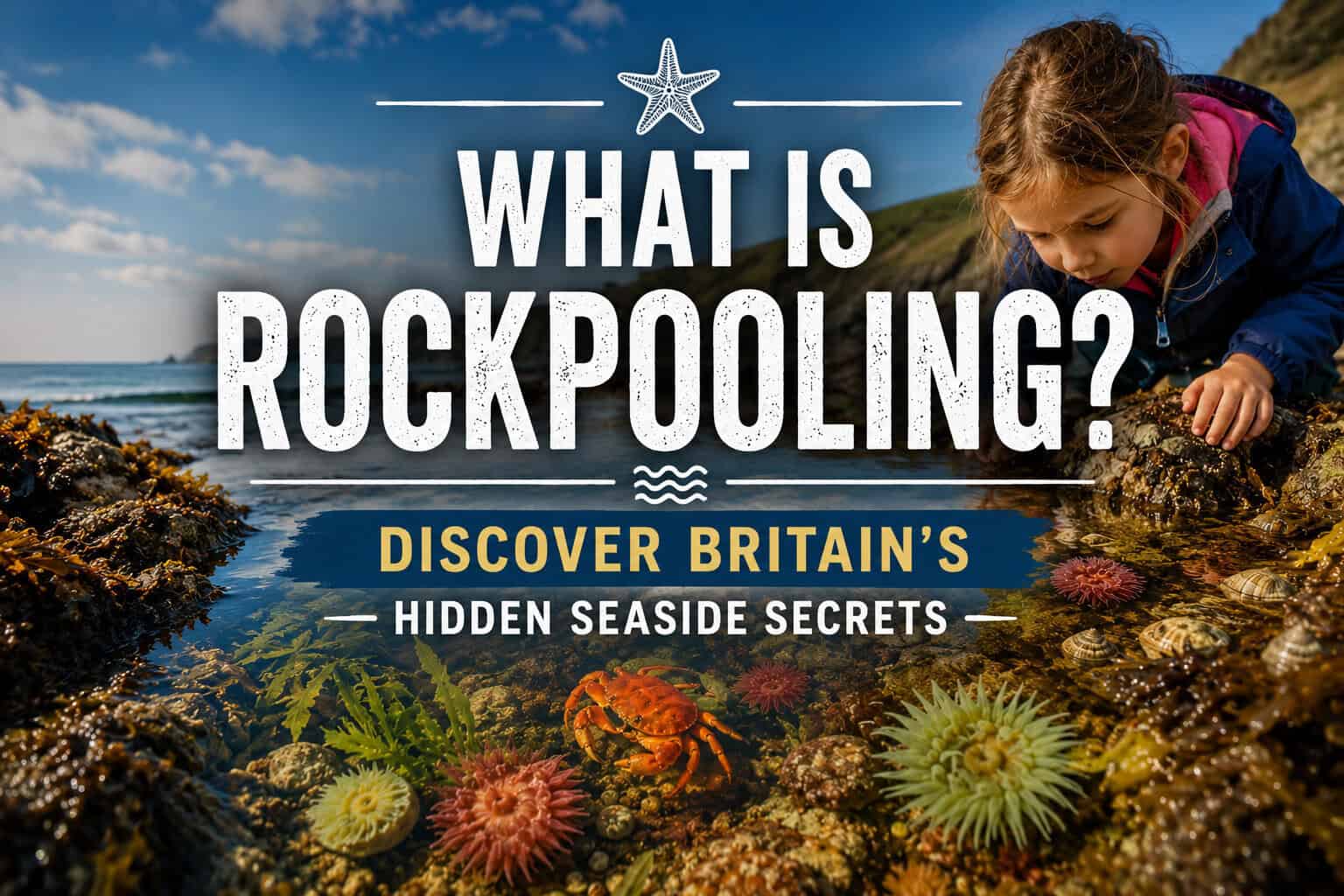
There is something magical about rockpooling, arriving at the coast just after the tide has retreated. The beach looks completely different to the one you walked across only a few hours earlier. Pools of crystal-clear seawater shimmer between the rocks, tiny crabs scuttle for cover, seaweed sways gently beneath the surface and, if you pause for a moment, an entire underwater world begins to reveal itself.
Many people stroll past these natural pools without giving them a second glance. However, those who stop and look a little closer quickly discover one of Britain’s most rewarding outdoor hobbies.
Rockpooling costs very little to get started, requires almost no equipment and can turn an ordinary trip to the seaside into a genuine adventure. Better still, every visit feels different because the sea constantly changes what it leaves behind.
Whether you are planning a family day out, looking for a relaxing nature hobby or simply curious about what lives beneath the surface, rockpooling offers an enjoyable way to experience Britain’s coastline from an entirely new perspective.
What Is Rockpooling?
Rockpooling is the hobby of exploring the natural pools of seawater left behind when the tide goes out. These pools become temporary homes for fascinating marine life including crabs, sea anemones, small fish, limpets, sea snails and colourful seaweed. Most people simply observe, photograph and identify what they find before leaving everything exactly as they discovered it.
One of the reasons rockpooling has remained popular for generations is that it combines curiosity, wildlife and exploration in equal measure. Unlike many hobbies, there is no finish line, no competition and no pressure to become an expert. Every visit becomes a treasure hunt where the greatest reward is discovering something you have never noticed before.
Children often become fascinated within minutes, while adults quickly find themselves just as captivated. Before long everyone is peering into another pool, wondering what might be hiding beneath the seaweed or tucked underneath a smooth stone.
“The best rock pools aren’t always the biggest ones. Sometimes the smallest pool hides the greatest surprise.”
HobbyIdeas • Outdoor Inspiration
Britain’s Coastline Becomes a Living Nature Reserve
Most wildlife watching involves patience. Birdwatchers may wait quietly for hours, while photographers often hope an animal appears at exactly the right moment.
Rockpooling feels wonderfully different.
The wildlife is already there. You simply have to slow down enough to notice it.
A patch of seaweed that looked completely ordinary suddenly begins moving as a tiny shore crab emerges from underneath. A shell that appeared empty reveals itself to be home to a hermit crab carrying its borrowed house across the sand. Small fish dart between shadows while delicate sea anemones slowly open like underwater flowers as the returning water gently flows around them.
The longer you spend looking, the more life you begin to see.
It is this constant sense of discovery that keeps people returning year after year. Even experienced rockpoolers never know exactly what the next pool will contain.
What Might You Discover?
Every rocky shoreline is different, yet many of Britain’s coastlines support an astonishing variety of marine life.
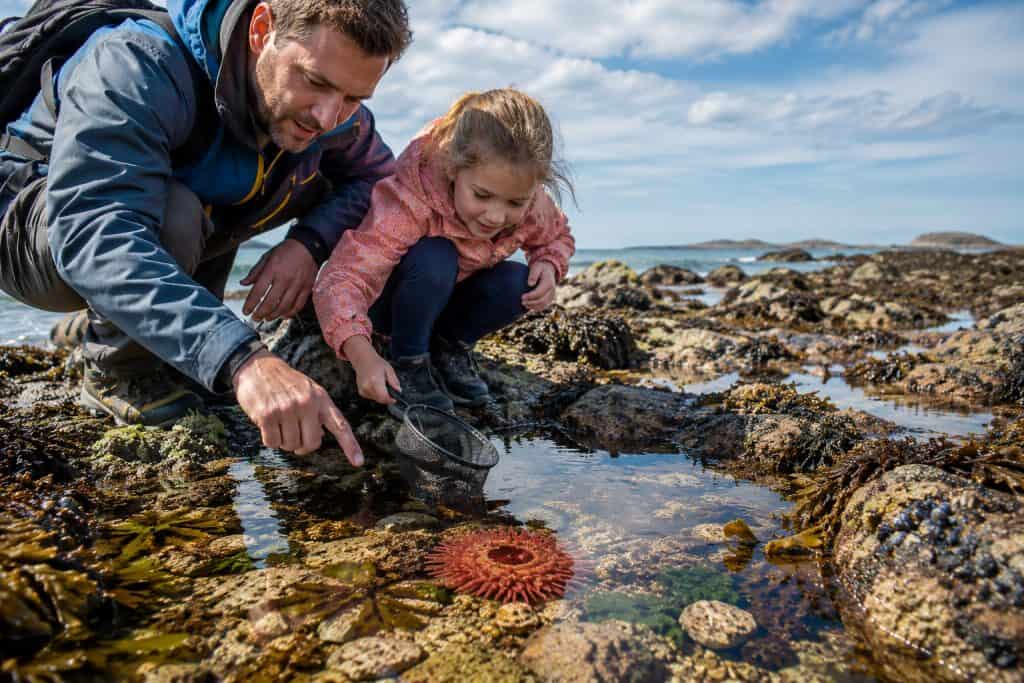
Some of the most common discoveries include colourful beadlet anemones, tiny blennies resting on the seabed, shrimp darting through seaweed, periwinkles grazing across rocks and velvet swimming crabs hiding beneath ledges. Starfish occasionally appear in deeper pools, while larger rock pools may even contain cuttlefish or octopus in certain parts of the country.
You do not need to identify every species immediately. In fact, part of the enjoyment comes from gradually learning what you are seeing. Many enthusiasts carry a small identification guide or use a wildlife app after returning home to identify the creatures they photographed during the day.
Unlike collecting hobbies, success in rockpooling is measured by experiences rather than possessions. The perfect day might simply involve watching a tiny crab carrying a shell twice its own size or spotting your first sea star beneath a blanket of kelp.
Where Can You Go Rockpooling?
Britain is blessed with thousands of miles of coastline, although not every beach offers ideal rockpooling conditions. Sandy beaches can certainly be beautiful, yet the richest marine habitats usually develop where rocky shores remain exposed as the tide retreats.
Cornwall has become famous for its spectacular rock pools, while Devon, Pembrokeshire, Dorset, Northumberland and large parts of the Scottish coastline also offer outstanding opportunities to explore.
Even counties not traditionally associated with rocky beaches have their hidden gems. Along the Norfolk coast, for example, the chalk reefs around West Runton, Cromer and Sheringham reveal fascinating pools during particularly low tides, providing excellent opportunities for beginners to experience the hobby without travelling hundreds of miles.
Before setting out, always check local tide times. The most productive rock pools generally become accessible around low tide, giving you several hours to explore before the sea gradually returns.
Hobby Ideas Tip
If you’re visiting somewhere new, search online for local rockpooling beaches before travelling. Many wildlife trusts and coastal organisations publish excellent guides highlighting the safest and most interesting locations nearby.
Perhaps the greatest surprise is how quickly time disappears. You might arrive intending to spend half an hour exploring, only to discover two hours have passed as you move from one fascinating pool to the next, each revealing another tiny secret of Britain’s remarkable coastline.
What Do You Need to Start Rockpooling?
One of the reasons rockpooling has remained such a popular family hobby is its simplicity. You certainly do not need specialist equipment or expensive clothing before setting off.
A comfortable pair of shoes with good grip is probably the most important item you can take. Rocks covered with seaweed become surprisingly slippery, especially as the tide begins to return.
Beyond that, a small bucket allows children to briefly observe creatures before returning them safely, while a hand net can gently scoop through shallow water to reveal tiny shrimp or fish that would otherwise remain hidden. Many enthusiasts also carry a wildlife identification guide, although a smartphone camera works just as well because you can identify species later without disturbing them for too long.
Perhaps the most valuable thing you can bring, however, is curiosity. Every pool tells a different story, and the greatest discoveries often happen when you simply stop, watch and wait.
One of the real pleasures of rockpooling is discovering a creature you’ve never seen before. While mobile apps can be useful, there’s something satisfying about flicking through a proper field guide while sitting on the beach. We particularly like British Coastal Wildlife: The Definitive Guide to Identifying Animals and Plants on the UK Seashore (Collins Complete Guides). Packed with superb colour photographs and easy-to-follow descriptions, it’s the sort of book you’ll find yourself taking on every seaside trip, whether you’re hunting for crabs in Cornwall or exploring the rock pools of the Norfolk coast.
How to Explore Rock Pools Responsibly
Part of the charm of rockpooling comes from knowing these miniature ecosystems have existed long before we arrived and will continue long after we leave. Looking after them ensures future visitors enjoy exactly the same sense of discovery.
Move slowly around the pools rather than rushing from one to another. Marine animals often hide remarkably well, and patient observation usually reveals far more than constant searching.
If you carefully lift a loose rock to see what lies beneath, always replace it exactly as you found it. Many creatures rely on these sheltered spaces for protection from predators and the changing tide.
Likewise, avoid removing shells, animals or seaweed simply as souvenirs. The real joy comes from watching wildlife in its natural environment before leaving everything exactly where it belongs.
Rockpooling Safety: Enjoy the Coast Responsibly
Britain’s coastline is beautiful, but it deserves respect. Before you begin exploring, check the local tide times and always be aware of how quickly the sea can return. It’s surprisingly easy to lose track of time when you’re absorbed in discovering wildlife.
Wear sturdy shoes or walking sandals with good grip, as seaweed-covered rocks can become extremely slippery. Move slowly, avoid jumping between rocks and never climb onto unstable cliffs or ledges.
If you’re visiting with children, keep them within sight at all times and encourage them to explore carefully rather than rushing from pool to pool. Rockpooling should feel relaxed, not like a race to find the biggest crab.
Finally, let someone know where you’re going if you’re exploring a remote stretch of coastline, especially outside the busy summer season. A little preparation allows you to enjoy one of Britain’s most rewarding outdoor hobbies safely and confidently.
“Take photographs, leave footprints and memories, but let the rock pools keep their secrets for the next explorer.”
HobbyIdeas • Outdoor Inspiration
Why Rockpooling Never Gets Boring
Unlike hobbies where you eventually complete a collection or master a particular skill, rockpooling constantly changes with the seasons, weather and tides.
A favourite beach visited in spring may look completely different in late summer. Storms reveal new rocks, shifting sands uncover fresh pools and different marine species appear throughout the year.
Even returning to the very same rock pool can feel like discovering it for the first time. One visit might reveal dozens of hermit crabs, while the next uncovers sea anemones, tiny fish or colourful seaweed you somehow overlooked before.
That unpredictability keeps the hobby endlessly rewarding. There is always another pool to investigate and another surprise waiting beneath the surface.
Rockpooling Is About Slowing Down
Modern life encourages us to move quickly. We rush from place to place, glance at our phones every few minutes and rarely stop to notice the small details around us.
Rockpooling quietly asks you to do the opposite.
You slow your pace, crouch beside a pool and simply watch. Before long, creatures you never realised were there begin to emerge. Tiny movements become fascinating, familiar beaches suddenly feel mysterious again and a simple walk along the coast becomes an afternoon of genuine exploration.
Perhaps that is why so many people return to rockpooling throughout their lives. It reminds us that adventure does not always require travelling somewhere distant. Sometimes it is waiting beneath our feet at the edge of the sea.
Frequently Asked Questions About Rockpooling
When is the best time to go rockpooling?
The best time is around low tide when the greatest number of rock pools become exposed. Always check local tide times before setting out, and allow yourself plenty of time to explore before the tide begins to return.
Is rockpooling suitable for children?
Yes. Rockpooling is one of the UK’s best family-friendly outdoor hobbies. Children should always be supervised around slippery rocks, uneven surfaces and the incoming tide, but it provides a fantastic opportunity to learn about marine wildlife together.
Do I need any special equipment?
No. A pair of sturdy waterproof shoes, a small bucket, a hand net for gentle observation, and a camera or smartphone are all most beginners need. Many experienced rockpoolers also carry a simple wildlife identification guide.
Can I keep the creatures I find?
No. Rockpooling is about observing marine life in its natural environment. If you temporarily lift a crab, shrimp or other creature for a closer look, always return it carefully to the exact rock pool where you found it.
Where are the best places to go rockpooling in the UK?
Cornwall, Devon, Pembrokeshire, Dorset, Northumberland and much of Scotland all offer excellent rockpooling opportunities. If you’re in East Anglia, West Runton, Cromer and Sheringham on the Norfolk coast are also fantastic places to discover marine wildlife at low tide.
Discover More Outdoor Hobbies
If today’s article has inspired you to spend more time exploring Britain’s coastline, you might also enjoy reading our guides to Hiking for Beginners and How to Go Wild Camping Legally. Both are packed with practical advice to help you enjoy even more time outdoors.
We’ve also gathered together books, wildlife guides and outdoor equipment in our Hobby Ideas Amazon Storefront, where you’ll find products we’ve selected to help you get even more from your favourite hobbies.
Rockpooling is also a good reminder that children’s hobbies do not need expensive equipment or organised activities to be memorable. If you are looking for more ideas that can grow into genuine interests without adding to the family budget, explore our guide to free hobbies for kids, with ideas ranging from nature spotting and drawing to photography, birdwatching and stargazing.
If you enjoy the excitement of discovering creatures hidden beneath rocks and shallow water, you can bring much the same curiosity inland. Pond dipping for beginners swaps the shoreline for freshwater ponds, where a simple net can reveal water beetles, dragonfly nymphs, aquatic snails and an unexpectedly busy world beneath the surface.
Affiliate Disclosure
Some links on HobbyIdeas may be affiliate links. This means we may earn a small commission if you make a purchase, at no extra cost to you. We only recommend products we genuinely believe offer good value and are useful for the hobbies we feature.
Final Thoughts
Rockpooling proves that some of Britain’s most memorable adventures cost almost nothing. Armed with little more than comfortable shoes and a sense of curiosity, you can discover an astonishing variety of marine life hidden along our coastline.
The next time you visit the seaside, resist the temptation to simply walk past the rocks. Pause beside a quiet pool, look a little closer and give nature a chance to surprise you.
You may discover that one of Britain’s oldest seaside traditions becomes your newest favourite hobby.