


Stamp collecting remains one of the world’s most enduring hobbies because it combines history, art, travel, storytelling, and treasure hunting in one surprisingly affordable pastime.
Additionally, stamp collecting suits almost every type of collector.
Some people enjoy the historical side of the hobby, while others focus on colourful designs, unusual countries, rare printing errors, or nostalgic childhood memories.
Importantly, collectors do not need huge budgets or specialist expertise to begin.
Many collections start with only a handful of interesting stamps and gradually grow over time.
Why Stamp Collecting Remains So Popular
Stamp collecting has remained popular for generations because stamps reflect moments in history and culture in miniature form.
Collectors often discover stamps featuring: – famous people – wildlife – aircraft – royalty – historic events – sport – architecture – world cultures
Consequently, every album becomes slightly personal because no two collectors organise their collections in exactly the same way.
According to the Royal Philatelic Society London, philately remains one of the oldest and most educational collecting hobbies in the world.
Additionally, stamp collecting works equally well for: – casual hobbyists – dedicated collectors – children – adults – history enthusiasts
How Most People Start Collecting Stamps
Many collectors begin very simply.
Common starting points include:
- old family albums
- mixed world stamp bundles
- charity shop finds
- stamps from letters
- school collections
- small inherited collections
Initially, most beginners simply enjoy sorting and identifying different stamps.
However, that curiosity often grows surprisingly quickly.
Eventually many collectors find themselves becoming strangely excited about tiny pieces of paper from countries they previously could not locate on a map.
This appears extremely common.
Different Ways to Build a Stamp Collection
One reason stamp collecting remains so flexible involves the huge variety of collecting styles available.
Some collectors focus on:
- British stamps
- Commonwealth stamps
- world stamps
- thematic collections
- royal memorabilia
- wildlife stamps
- Olympic stamps
- space exploration
- postal history
Meanwhile, other collectors specialise in: – rare printing varieties – watermark differences – perforation types – first day covers – stamp errors
Because the hobby remains so broad, collectors can gradually refine their interests over time.
Essential Supplies for Stamp Collecting
Beginners do not need enormous amounts of equipment immediately.
However, a few simple supplies make collecting safer and more enjoyable.
Useful items include:
- stamp albums
- stock books
- stamp tongs
- magnifying glass
- glassine envelopes
- stamp hinges or mounts
Stamp tongs help prevent oils and moisture from damaging delicate paper.
Additionally, magnifiers help collectors notice: – fine printing details – watermarks – perforations – colour differences
Recommended Tool for Serious Stamp Collectors
As your collection grows, being able to examine fine details becomes increasingly important. Perforations, printing variations, watermarks, cancellations, and small condition issues can all affect how a stamp is identified and understood.
TOMLOV DM9 7" LCD Digital Microscope 1300X
This is a tool I personally use for stamp collecting and highly recommend. The large LCD screen makes it easy to inspect fine details, while the magnification allows you to examine perforations, printing characteristics, cancellations, and condition without straining your eyes. It is also useful for coins, banknotes, postcards, and other collectables.
Interestingly, many collectors eventually accumulate more albums than available shelf space.
This problem appears remarkably widespread within the hobby.
How to Store and Protect Stamps Properly
Storage matters enormously because stamps can damage quite easily in poor conditions.
Collectors should avoid: – damp environments – direct sunlight – excessive heat – folded paper – sticky tape
Instead, proper albums and stock books help protect collections while keeping stamps organised.
Humidity control also matters because moisture can cause mould and paper deterioration over time.
Consequently, dry indoor storage usually works best.
Where to Find Stamps for Your Collection
One of the most enjoyable parts of stamp collecting involves searching for new additions.
Collectors often find stamps through:
- online marketplaces
- stamp fairs
- auction sites
- mixed kiloware bundles
- family collections
- charity shops
- specialist dealers
Large mixed bundles remain especially popular because they provide variety very cheaply.
Additionally, sorting through unsorted mixtures often becomes half the entertainment.
Some collectors happily spend hours organising stamps by country, colour, or theme.
Others simply enjoy the satisfying chaos of the process.
Should Collectors Buy Rare or Expensive Stamps?
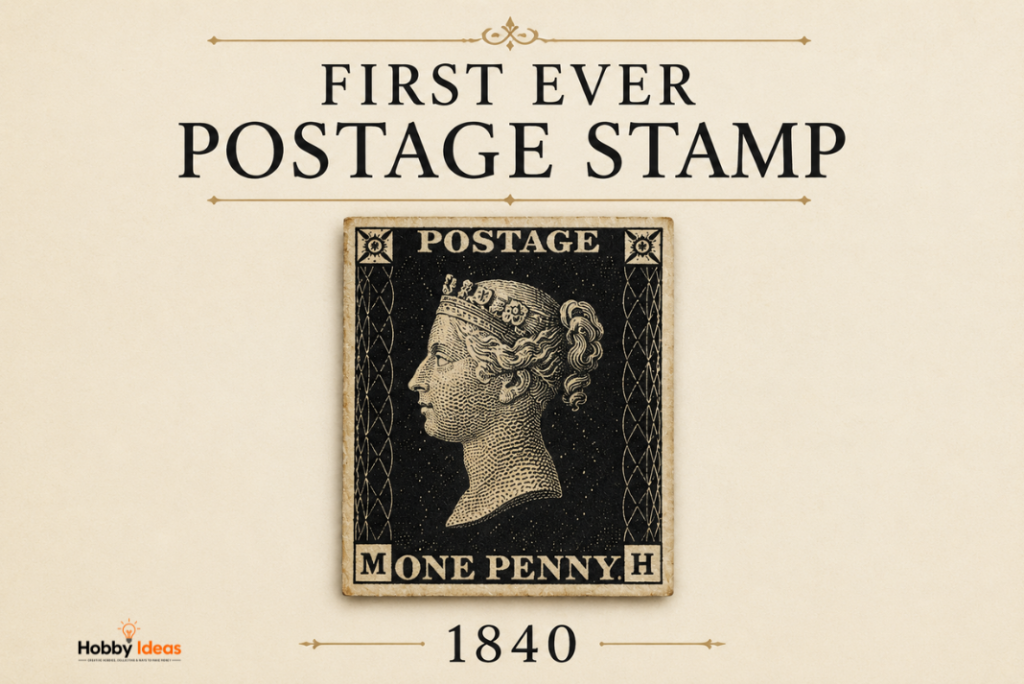
Beginners often focus too heavily on value at first.
Actually, enjoyment and learning matter far more during the early stages of collecting.
Rare stamps certainly exist, and some collections become valuable over time.
However, many inexpensive stamps remain visually beautiful and historically fascinating despite modest financial value.
Therefore, most experienced collectors recommend focusing first on: – organisation – learning – condition – research – personal interests
Knowledge usually becomes more useful than expensive purchases initially.
The Benchmark Reference for Serious Collectors
As your collection grows, you will eventually need reliable reference material. While there are many catalogues available, few are as widely respected as the Stamps of the World series.
2026 Stamps of the World Catalogue Set of 6 Volumes
I use these catalogues regularly for my own stamp collecting and refer to them almost every day. They are not a beginner impulse purchase, and at around £299 they represent a serious investment. However, many experienced collectors and dealers regard them as the benchmark reference work for worldwide stamp collecting.
If you plan to build a substantial collection, identify stamps accurately, and research issues from around the world, few resources offer the same depth of information.
Common Mistakes New Collectors Make
Most collectors make a few mistakes during the early stages of the hobby.
Typical examples include:
- handling stamps roughly
- using sticky tape
- storing collections badly
- buying random expensive stamps too quickly
- ignoring condition
- overcrowding albums
Fortunately, mistakes often help collectors learn more quickly.
Even experienced collectors occasionally discover old albums containing questionable decisions from many years earlier.
Can Stamp Collecting Become Valuable?
Some collections certainly become valuable over time, especially when they contain: – rare stamps – scarce postal history – unusual printing errors – specialist themes – strong condition examples
However, the hobby works best when collectors genuinely enjoy the process itself rather than treating every stamp as a financial investment.
Interestingly, many valuable collections developed simply because collectors stayed consistent and organised over long periods of time.
Patience matters enormously within collecting.
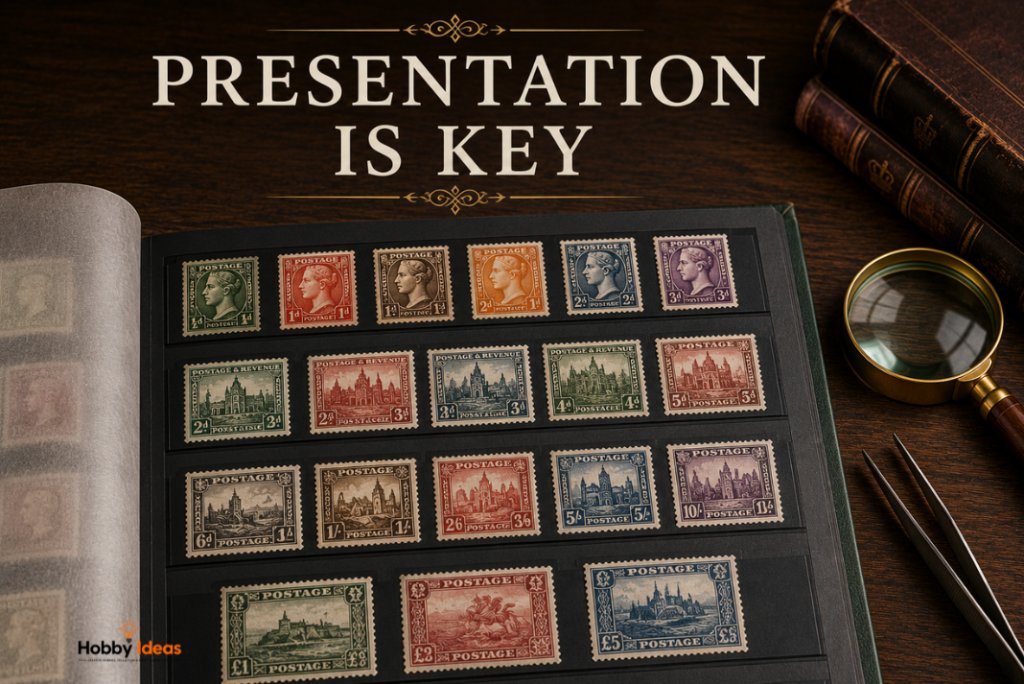
How Stamp Collecting Connects to Other Hobbies
Stamp collecting naturally overlaps with many related interests including:
- coin collecting
- postcard collecting
- history
- genealogy
- paper ephemera
- antique collecting
- map collecting
Many collectors eventually develop interests across several related areas because the hobbies complement one another naturally.
If you enjoy collecting hobbies, you might also enjoy our guide to how to start coin collecting.
How to Learn More About Stamp Collecting
Collectors today have access to far more information than previous generations.
Useful learning resources include:
- collector forums
- YouTube channels
- stamp catalogues
- collector clubs
- stamp fairs
- specialist books
- online communities
Additionally, many collectors enjoy researching the stories behind individual stamps almost as much as collecting them.
The historical side of philately often becomes one of the hobby’s biggest attractions.
As your knowledge grows, you may find yourself looking beyond basic albums and country collections. Watermarks, perforations, postal history, plate flaws and specialist catalogues open up an entirely different side of the hobby. If that sounds appealing, our guide to advanced stamp collecting explains how experienced collectors find hidden gems and take their collections to the next level.
Final Thoughts
Stamp collecting remains one of the most rewarding and accessible collecting hobbies available today.
Whether you focus on British stamps, thematic collections, world issues, or inherited albums, the hobby encourages curiosity, organisation, and historical discovery in a uniquely satisfying way.
Most importantly, every experienced collector once started with a small pile of ordinary stamps and absolutely no idea where the hobby might eventually lead.
That uncertainty forms part of the fun.
Disclosure: Some articles on HobbyIdeas contain affiliate links. If you purchase through these links, we may earn a small commission at no additional cost to you. We only recommend products we genuinely believe are useful to hobbyists and collectors.